Wild Foods as Portals to Engage with the World Around Us

Recently Natural Portals: Animate Earth Practices* was published, of which I am a contributor. In this journaling book, there are 13 entries, offering meditative activities to connect with Nature. There could be infinite more. How do you connect with Nature? What portals do you move through to recognize your innate connection with the world around you?
It is both my spiritual practice and my practical way of life to connect with the Land I live on by fully taking in my flora neighbors with all my senses: I gaze at the colors of the flowers and leaves and take so many pictures to keep a photo bank of seasonal memories. I watch and listen to the bees, butterflies, moths, and hummingbirds engage with the flowers as each week sways in and out. I caress the plants, feeling their texture. I breathe in their scent either by sticking my nose into a flower or rubbing a leaf between my fingers, reveling in the scent. I also enjoy pinching off petals and greenery to taste the Land on my tongue. July offers so many taste sensations: Viola, Mugwort, Daylily, Wood Sorrel, Purple-flowering Raspberry – just to name a few.
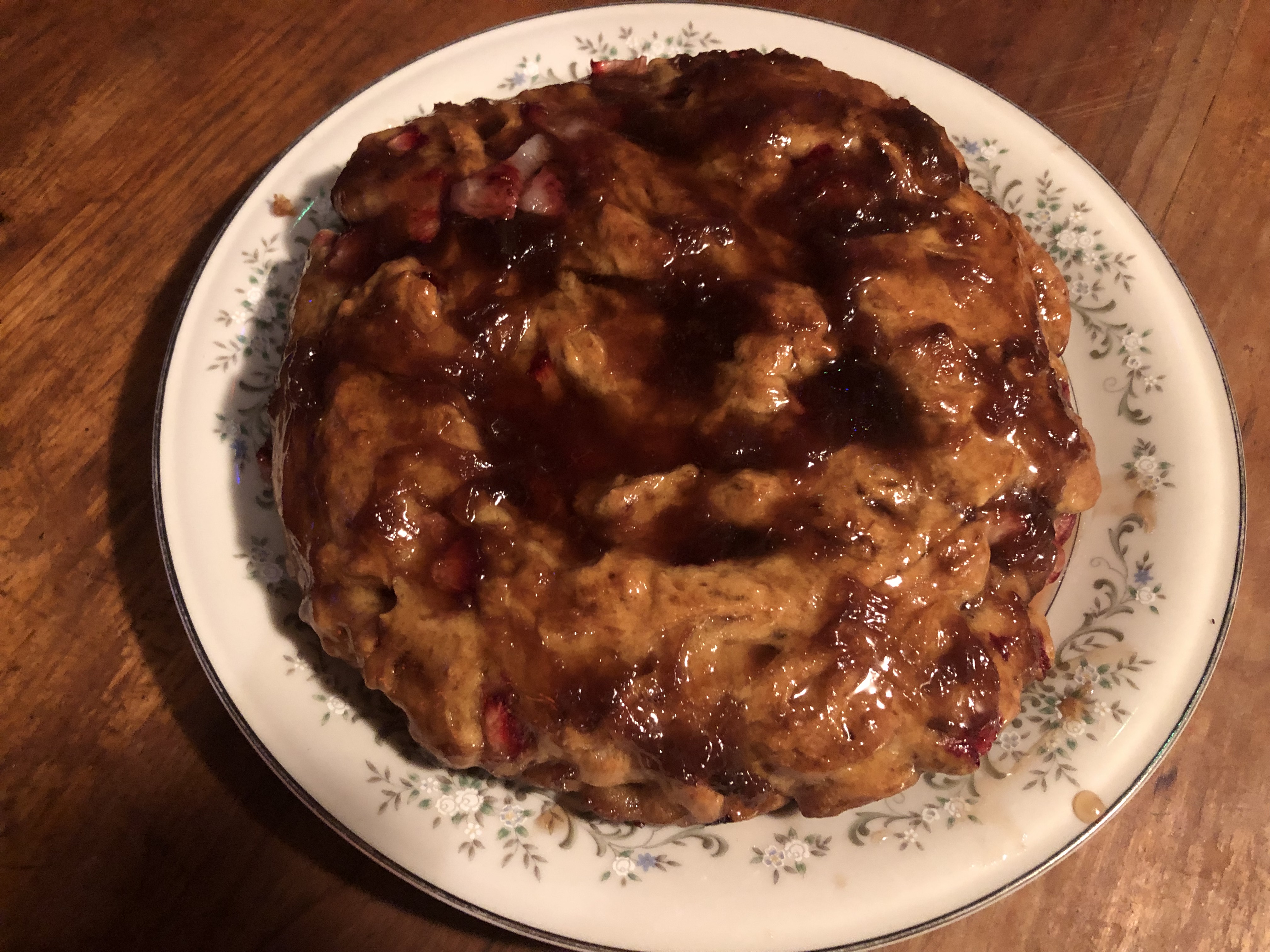
In June while walking around in my yard admiring my crop of Milkweed and munching on Rugosa Rose petals, my toe bumped into a wild field strawberry. They are tiny – and quite tasty! I was so excited to find this bright red juicy jewel in my yard, so I started looking for more. Virginia Wild Strawberry, Fragaria virginiana, in Rosaceae, are native to North America. They look like miniature versions of cultivated strawberries in leaf, flower, and fruit. The rose and strawberry taste sensations in my mouth inspired me to make a strawberry-rose cake with a rose-soaked honey glaze for the Nature Portals workshop and book release party. And lo, it was scrumptious! And combining my love for writing, simple meditative rituals, and sharing wild foods was so delightful that I will have to offer this again.
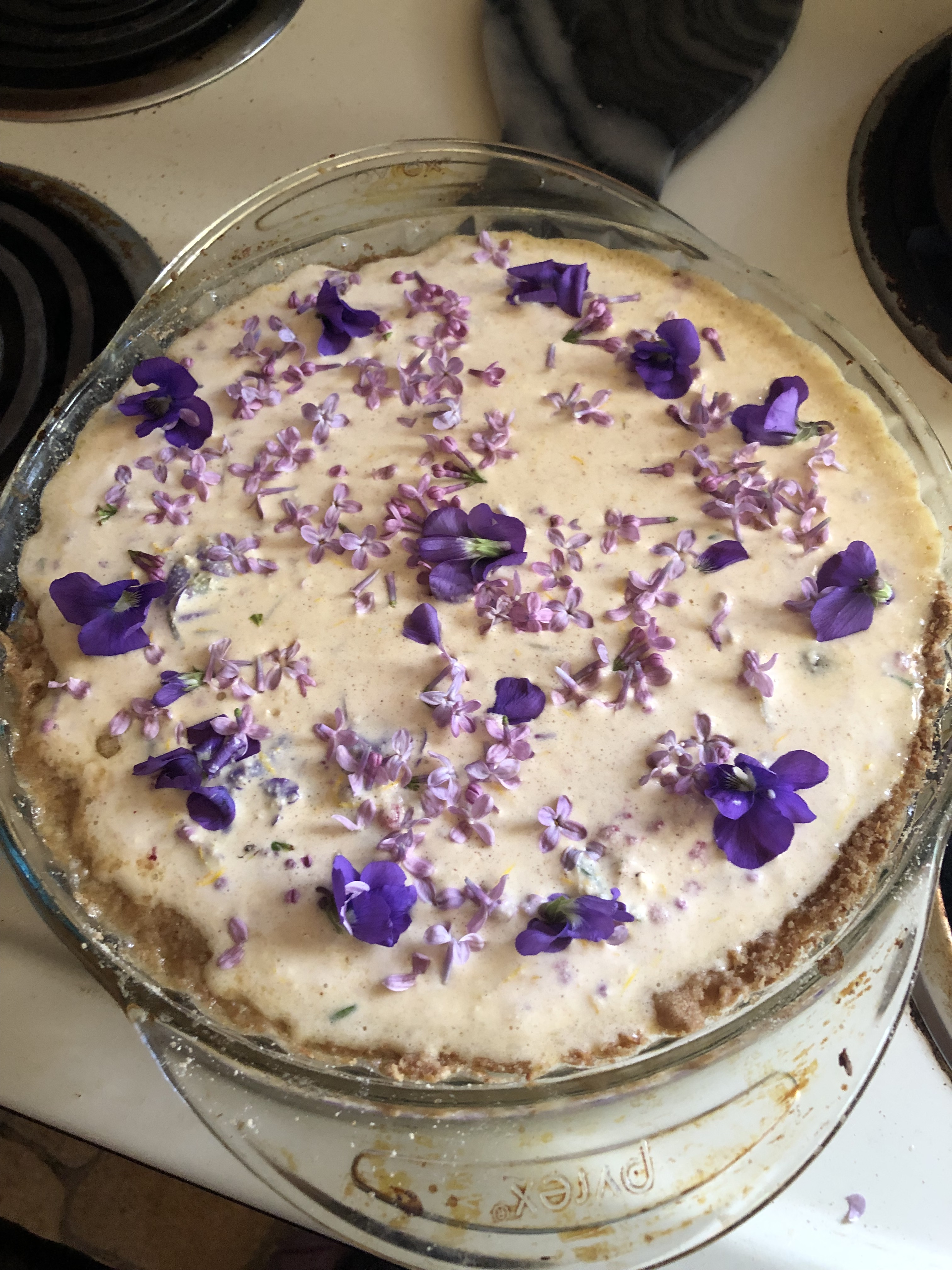
Wild foods inspire me! I love bringing together a variety of flavors to see how they will relate and harmonize with one another. Salads are great for that. As are baked goods. I have created so many make-it-up-as-I-go-along dishes that have turned out so delicious that it keeps me experimenting all the more.
So if you are a foodie and want to connect more with the world around you, I would suggest you learn some wild edibles and start playing with your food. Because foraging and consuming wild food can be a portal – a way in – to more deeply connecting with Nature.
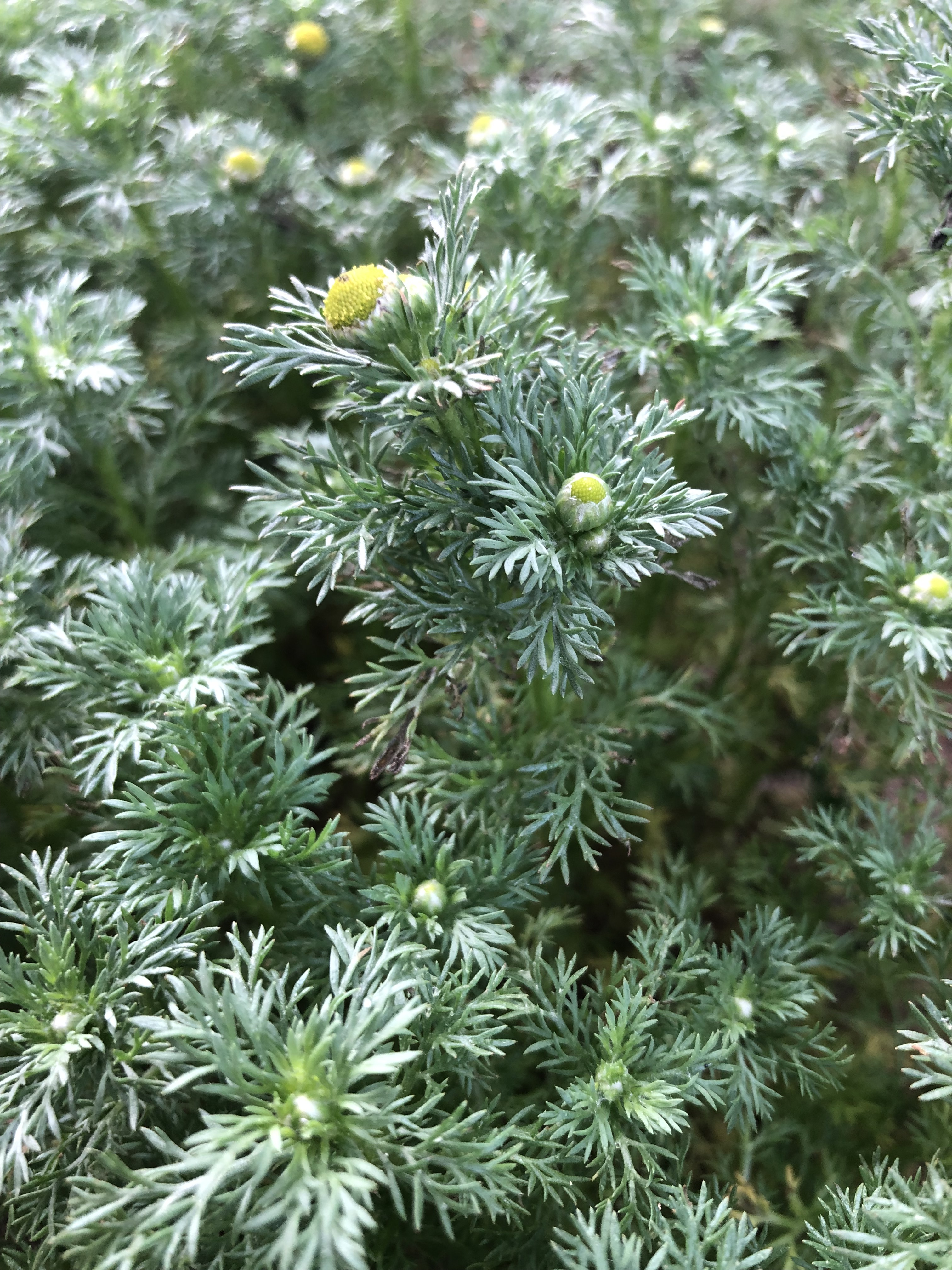
Let’s start with a cute, tasty little herbaceous plant you probably can find in your yard (or even in your driveway if you have a dirt driveway like I do) – Pineapple Weed, Matricaria discoidea, is in the Aster family along with its cousin Chamomile. Though hailing from northeast Asia, Pineapple Weed aka Wild Chamomile has made a home here in New England. The leaves look feathery with little yellow-capped flowers, that when crushed, produce a pineapple-scent. So if you find this plant and smell pineapple when you fondle it, you have the correct flora. The flowers can be eaten raw or made into a tea. I recently read that the flowers can also be dried and ground into a flour. This sounds like a cake waiting to be baked. If I can find enough flowers to grind this will be my next experiment. Oh, and it would look so pretty with honey-coated Ox-Eye Daisy flowers decorating the top of the cake.
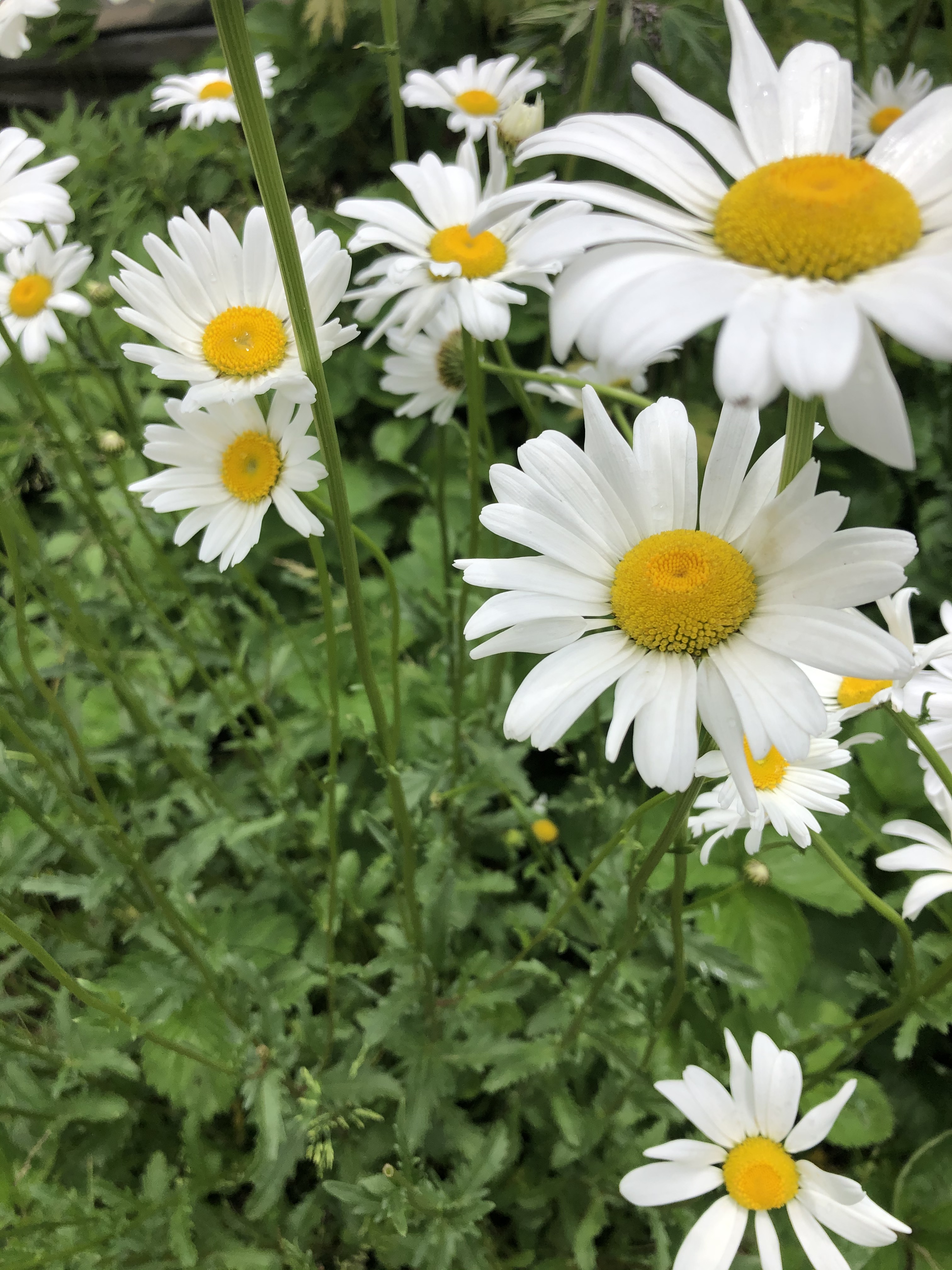
Ox-eye Daisy, Leucanthemum vulgare, also in Asteraceae, originated in Europe and the temperate regions of Asia. This perennial herb blooms in June and into July. The flower has many long white petals forming a perky lion’s mane around a center yellow disc. The petite lance-like leaves are alternate and widely separated along a tall thin stem. Both leaves and flowers are edible. They have their own distinct flavor that I can’t liken to any other flavor – take a nibble to assess if you appreciate them. If you do, chop up the leaves and flowers and add them to a salad. Normally I wouldn’t think to add them to a sweet dish but if I soak them in honey or vegetable glycerin I think I can make this cake tasty and pretty. If you follow my Offerings for Community Building Facebook page, that is where I will report back.
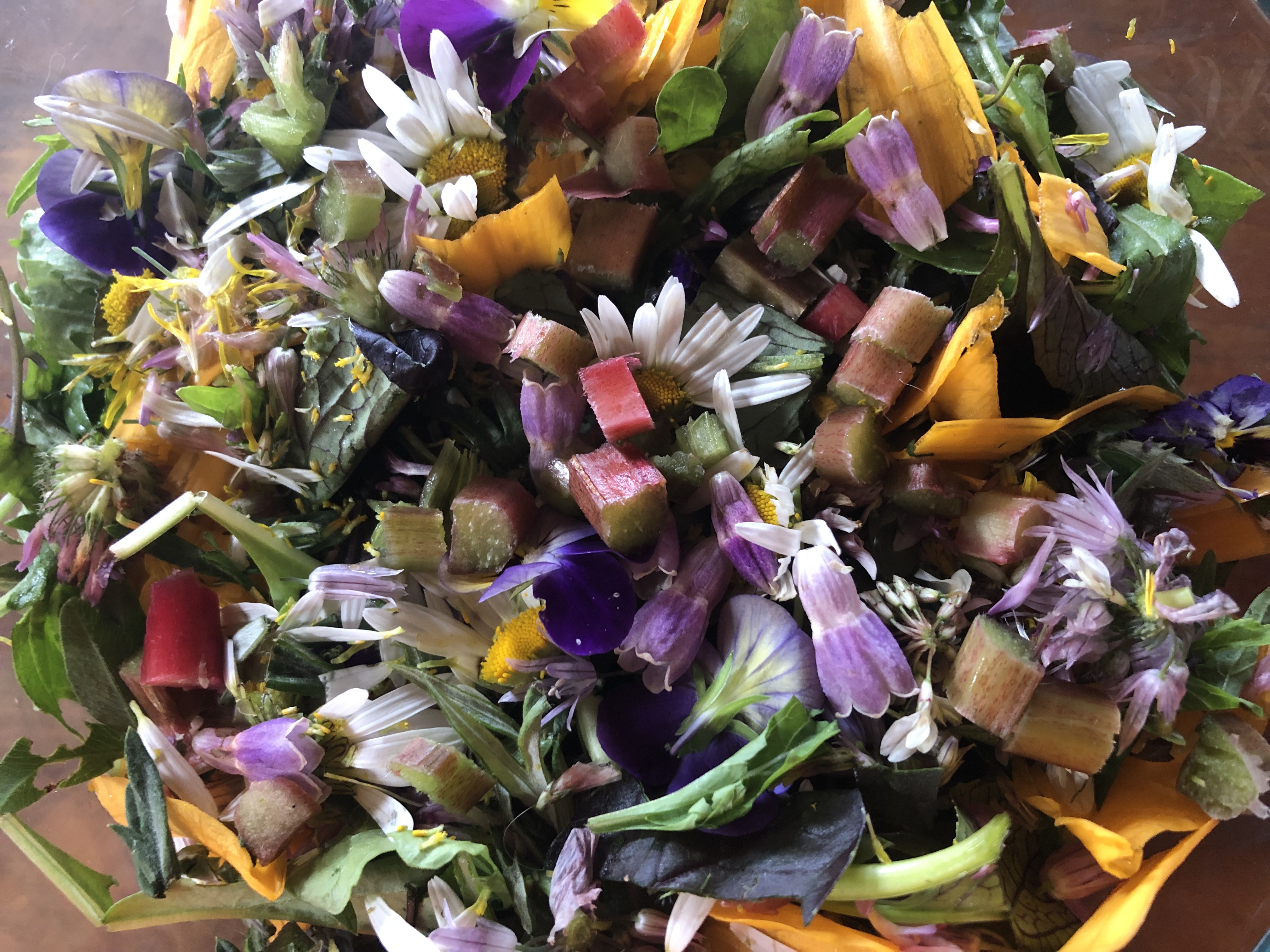
For me, playing with wild foods is a joyous way to connect more deeply with the Land. As I identify my flora neighbors I have grown to appreciate their presence just sharing space. Engaging my senses enhances the connection and I feel compelled to encourage their growth and abundance. The plants nourish me and I nurture them.
Happy foraging!

Arianna Alexsandra Collins, naturalist, poet, writer, wild edible enthusiast, and Wiccan High Priestess lives in Ashfield, MA.

This article appears in the July 2023 edition of The Ashfield News.
Like Offerings for Community Building on Facebook to learn more about wild edible and medicinal flora and fungi and recipes to incorporate wild foods into your meals.
Visit Offerings for Community Building for rates and packages on having a wild edible and medicinal flora and fungi inventory conducted on your Land (in New England).
Like Hearken to Avalon on Facebook and learn more about the magical world and natural history of plants and the Faie, and human interactions with them.
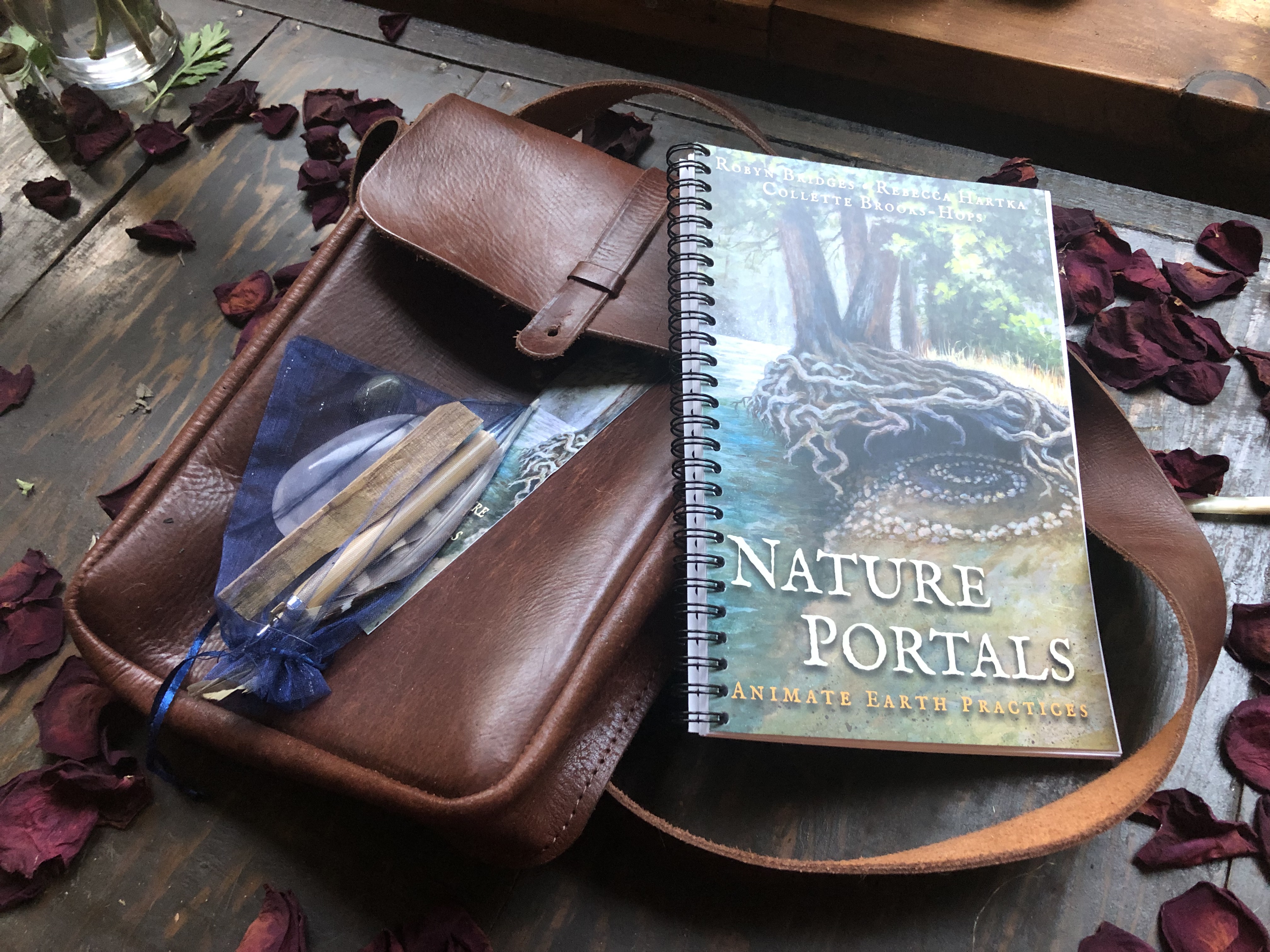
*Nature Portals: Animate Earth Practices co-authored by Robyn Bridges and Rebecca Hartka, with original art by Collette Brooks-Hops and contributions by Arianna Alexsandra Collins and Steve Guettemann is available through the Belding Memorial Library in Ashfield, MA. Rebecca and I thank our community library for their support of this work. As this is a limited edition, we are doing a soft release with in person sales only at this time (no shipping yet). If you would like us to hold a copy of the book or kit for you to pick up contact Rebecca at rebecca@cellogal.com Books are $25 and Kits are $75 (hand-made leather bag, stones, smudge etc). Payment in cash, PayPal or Venmo at the time you receive the book or kit.
 Hearken to Avalon