Antlers and Horns
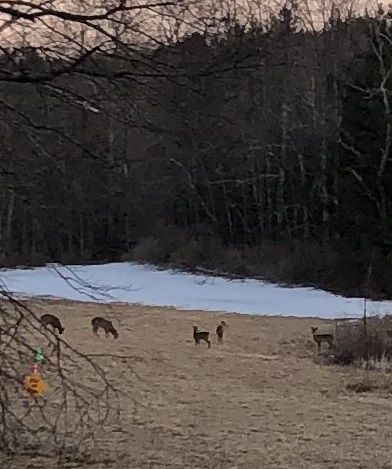
You may be wondering why you are only seeing antlerless Deer these days. No, the males are not being any more elusive than they were before. They could be who you are seeing crossing the street or standing in the field. For those of you not already in the know, male White-tailed Deer drop their antlers after November’s mating season – the rut. That’s right, they spend all summer growing their crowns, then scraping off the velvet, sparring with tree trunks and one another, and then in later December, after the rut ends, they just let them go.
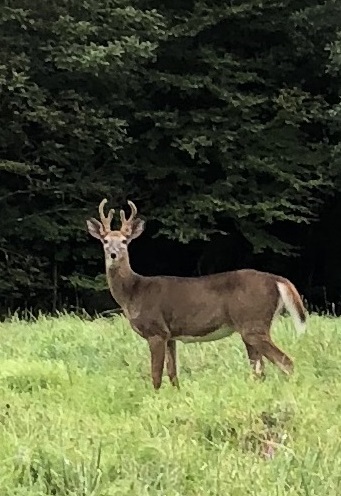
The Deer family (Cervidae) of which our native White-tailed Deer and Moose are a part of, here in New England, are hooved mammals (ungulates) and ruminants, which means they have 4 stomachs. 4?! You may be wondering why an animal would need 4 stomachs (it’s actually 4-chambered). Ruminants eat quickly while watching for predators. Exposed in the fields, they graze and then head for shelter. In what they determine to be a safe space, they bed down and regurgitate the food that was stored in the first chamber. This food has now been softened, and they are ready to chew their cud. The cud is then re-swallowed and goes through the remaining two chambers and the rest of the digestive system. Other hooved mammals we are familiar with, such as Sheep, Goats, and Cows are also ungulates and ruminants. What makes these three farm mammals differ from the Deer family is that they have horns, not antlers. Antlers are deciduous – yes, similar to our deciduous trees whose leaves fall off in the autumn, antlers are also seasonally shed. Antlers are made of bone and grow as an extension of the Deer’s skull yet still have the capacity to fall off. In most Deer species, it is only the males who grow antlers, except for Reindeer who live in northern Europe, where females also grow antlers. In the Americas, antlers mainly grow on males to use in competition to win over females. Whereas in the Scandinavian countries, male and female Reindeer use their antlers, not only to compete for scarce food, but also to forage through the snow for food.
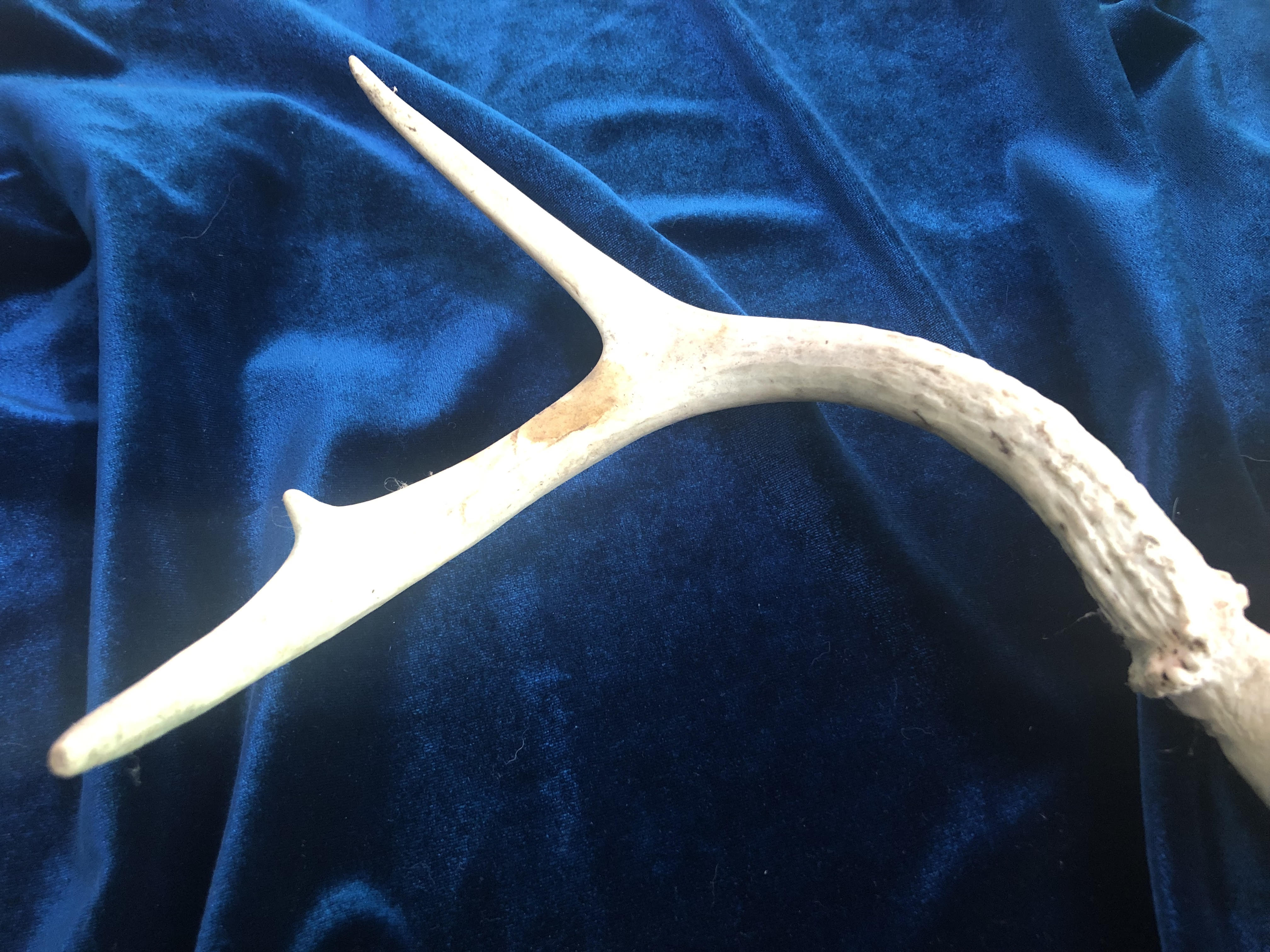
So, with all these antlers falling off in the winter, why don’t we tend to find them while walking in the woods? Antlers are made of bone, which is mainly composed of calcium and collagen. As we all know, ingesting calcium strengthens bone. And though many humans turn to milk to satisfy our calcium needs, our rodent neighbors, whose teeth never stop growing, rely on shed antlers for their calcium needs. Yep, that’s right, the reason you don’t find antlers piling up in the woods is because rodents, from Mice to Porcupine, are whittling them away to nothing with their teeth.
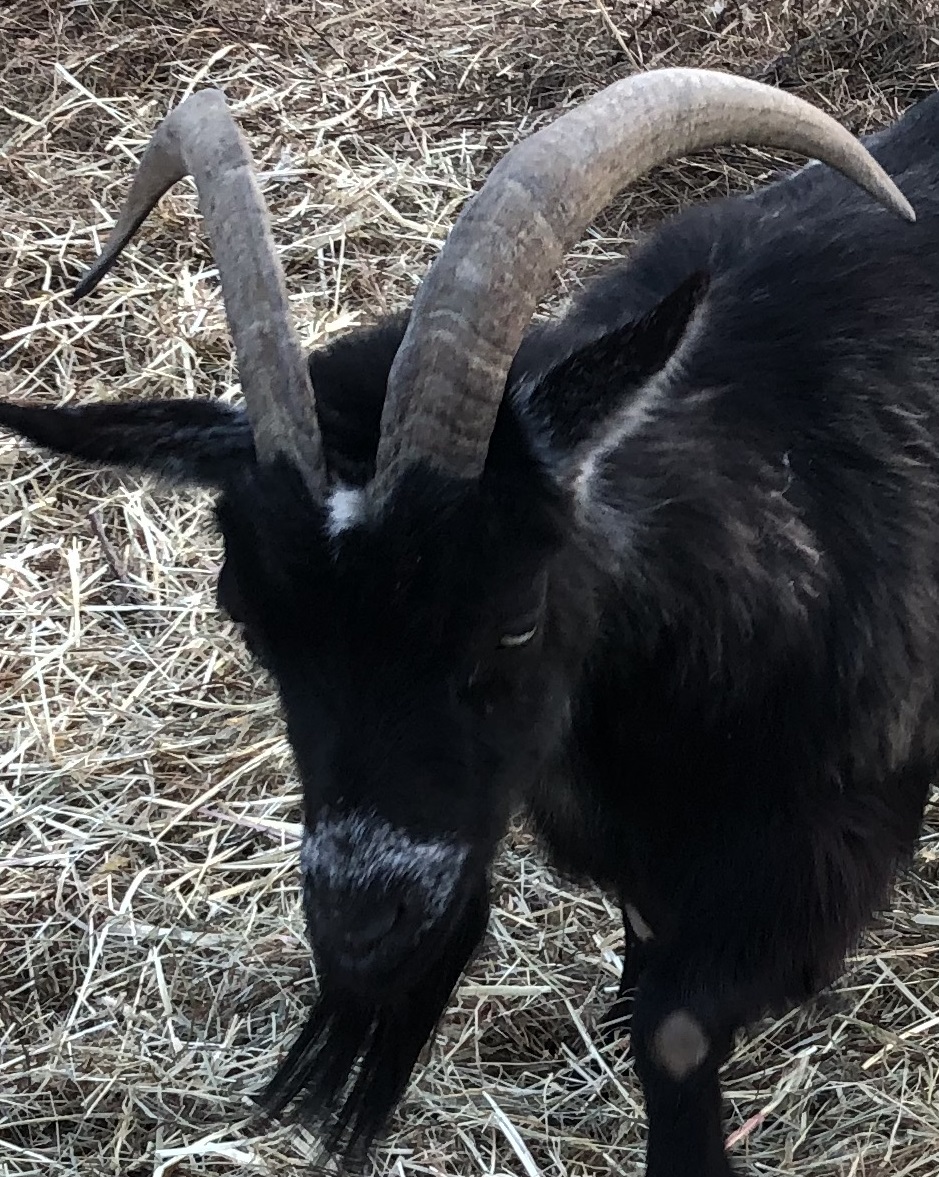
True horns are never shed; they just keep growing on the horned mammal. Horns are unbranching, unlike antlers, and while their inner core is bone, like antlers, there is a surrounding structure made of keratin. Keratin is a fibrous protein that is the same “ingredient” in nails, claws, feathers, and hooves. Horns grow on bovids such as Sheep, Cattle, and Goats.
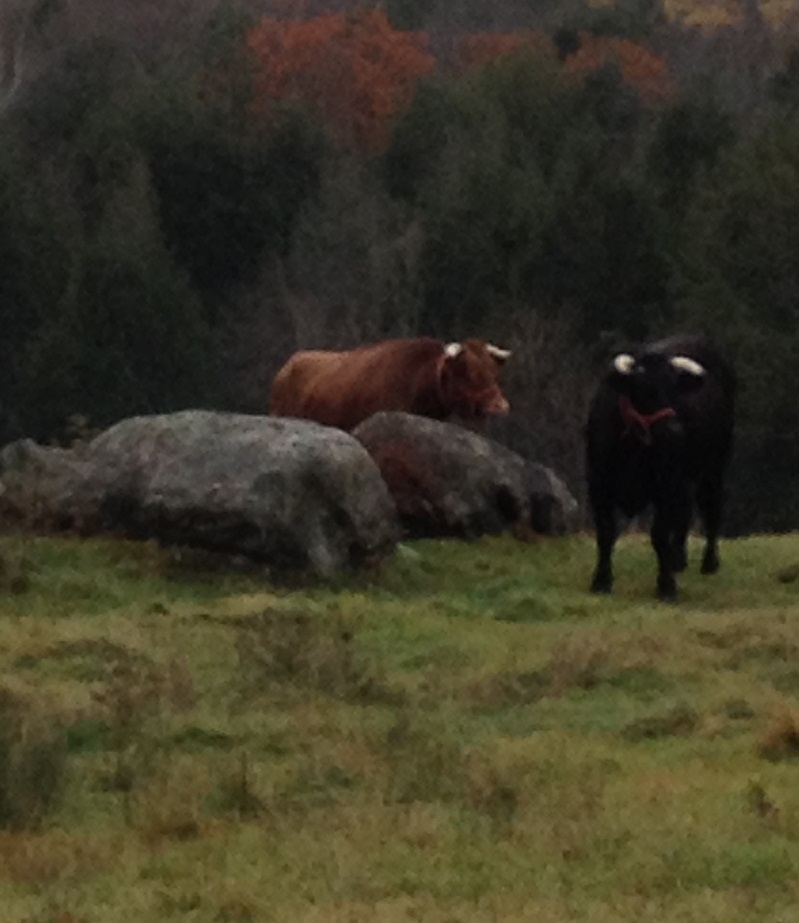
All bovid males grow horns, but females tend to grow them as well. The reason you may not see horns on domesticated female Cattle is because they were either dehorned or, through breeding, no longer tend to grow horns. Back when I was a much younger naturalist, working at a nature center which also served as a working farm, I watched with surprise, awe, and a bit disgust, as the farmer wrangled one of the Cows who had been acting very domineering around her herd, and sawed off her horns. There was a lot of blood. But she healed and could no longer skewer her farm mates.
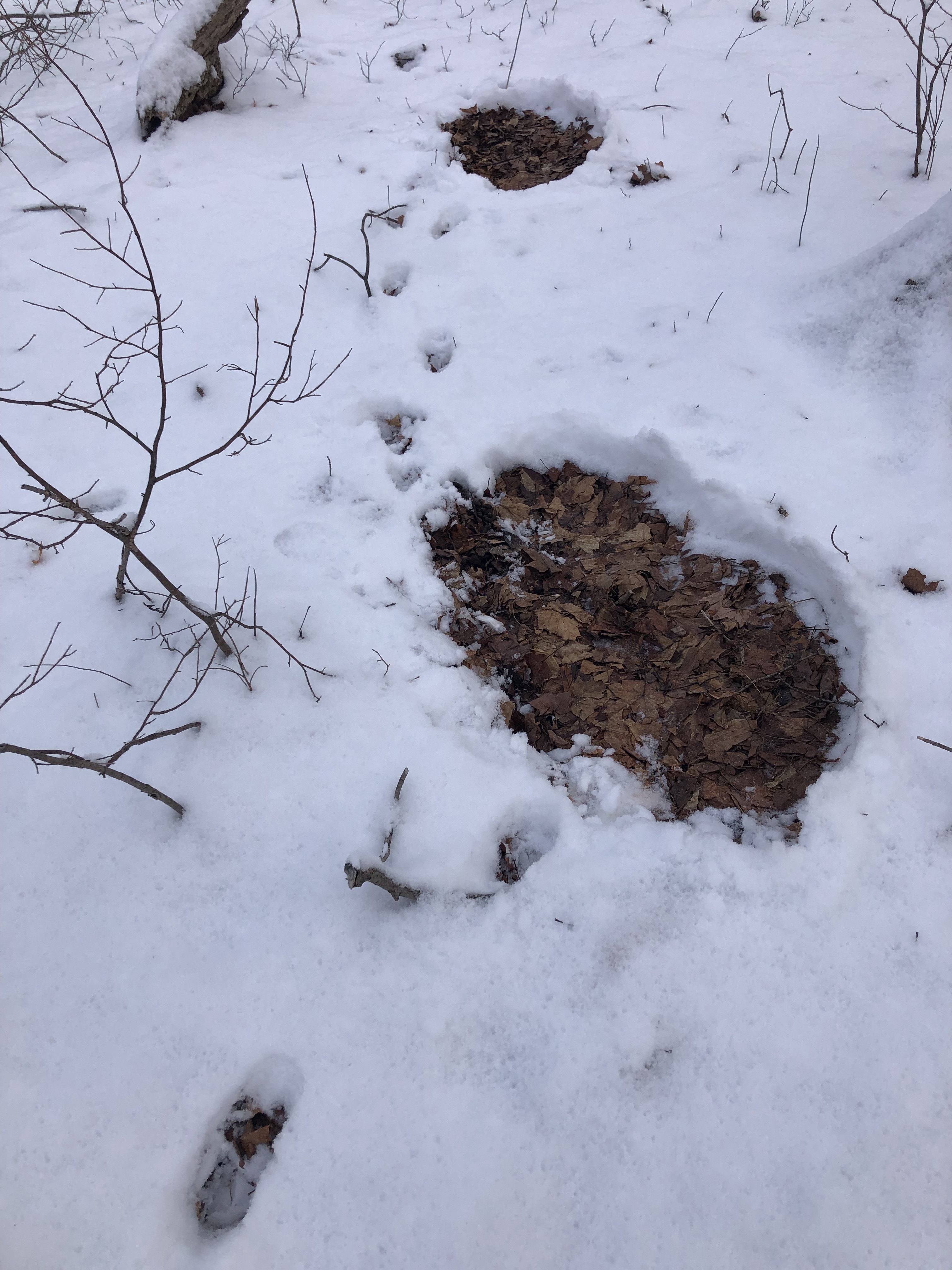
Going back to our White-tailed Deer neighbors, one thought as to why they shed their antlers after the rut, is that, not only are they no longer competing for dominance or females, but – “Baby, it’s cold outside!” – and keeping together as a herd is safer. More eyes and ears on the lookout for predators. When I find deer-beds in the woods, the imprints don’t show that they cuddle together but still keep in close proximity.
A few years ago, I did come across a shed antler. It had chew marks on it. Quite the find. Perhaps as you wander through the woods, if the snow is not too deep, you too may find a discarded antler. Something the Wild Ones left behind.
Enjoy your meanderings through a winter wonderland.

Arianna Alexsandra Collins, naturalist, poet, writer, wild edible enthusiast, and Wiccan High Priestess.

An edited version of this article appeared in the January 2025 edition of The Ashfield News.
Like Offerings for Community Building on Facebook to learn more about wild edible and medicinal flora and fungi and recipes to incorporate wild foods into your meals.
Visit Offerings for Community Building for rates and packages on having a wild edible and medicinal flora and fungi inventory conducted on your Land (in New England).
Like Hearken to Avalon on Facebook and learn more about the magical world and natural history of plants and the Faie, and human interactions with them.
 Hearken to Avalon
This is so great! A few years ago, my husband and I were out on a walk with our dogs when we happen to come across a deer skull with both antlers attached. We were so surprised at how fortunate we were to find it. We cleaned it up and took it home. We ended up hanging the mount on the wall and it’s always a conversation piece. Hopefully we can find more antler sheds in the future. Thanks so much for sharing!
LikeLike